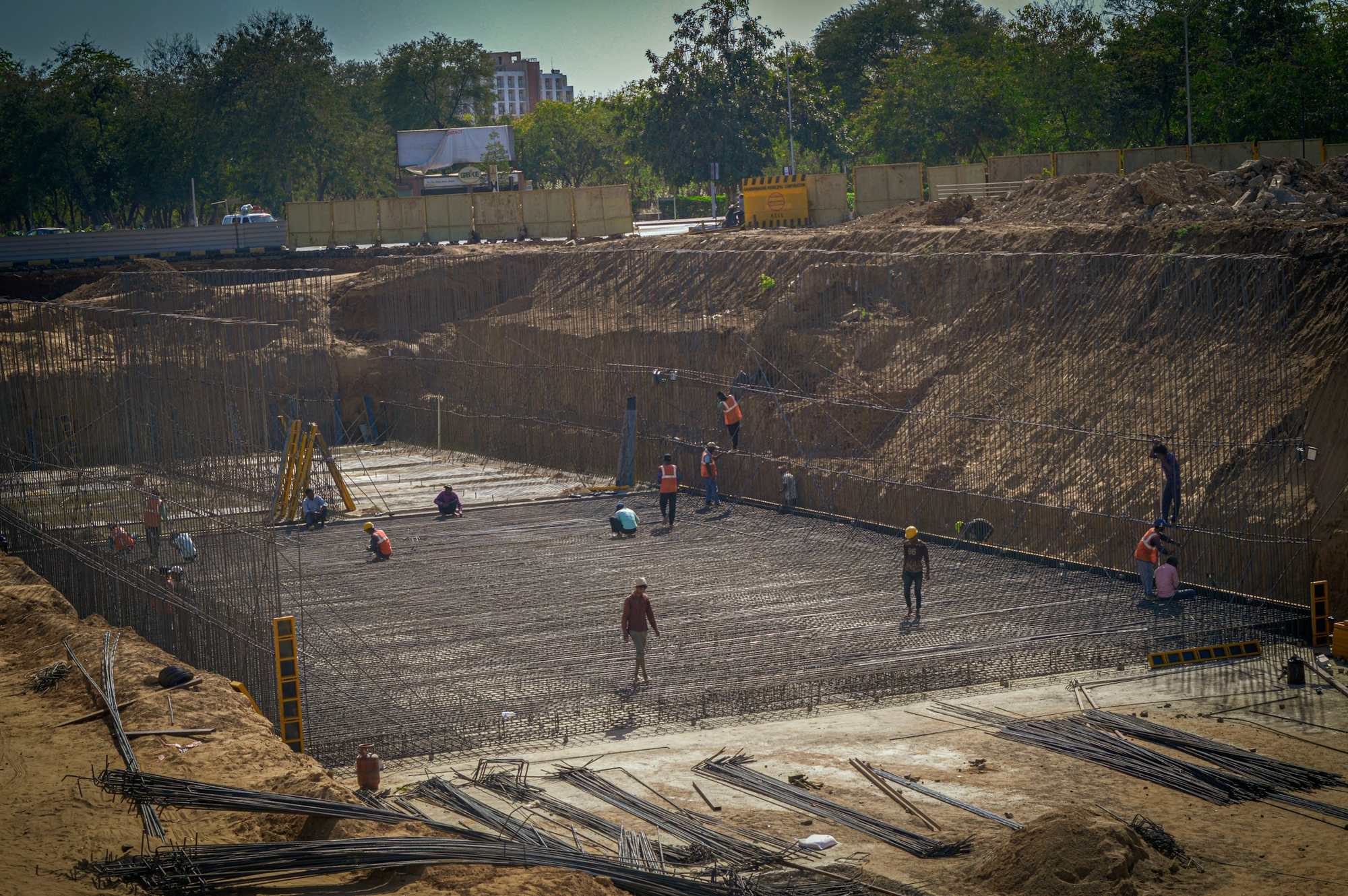
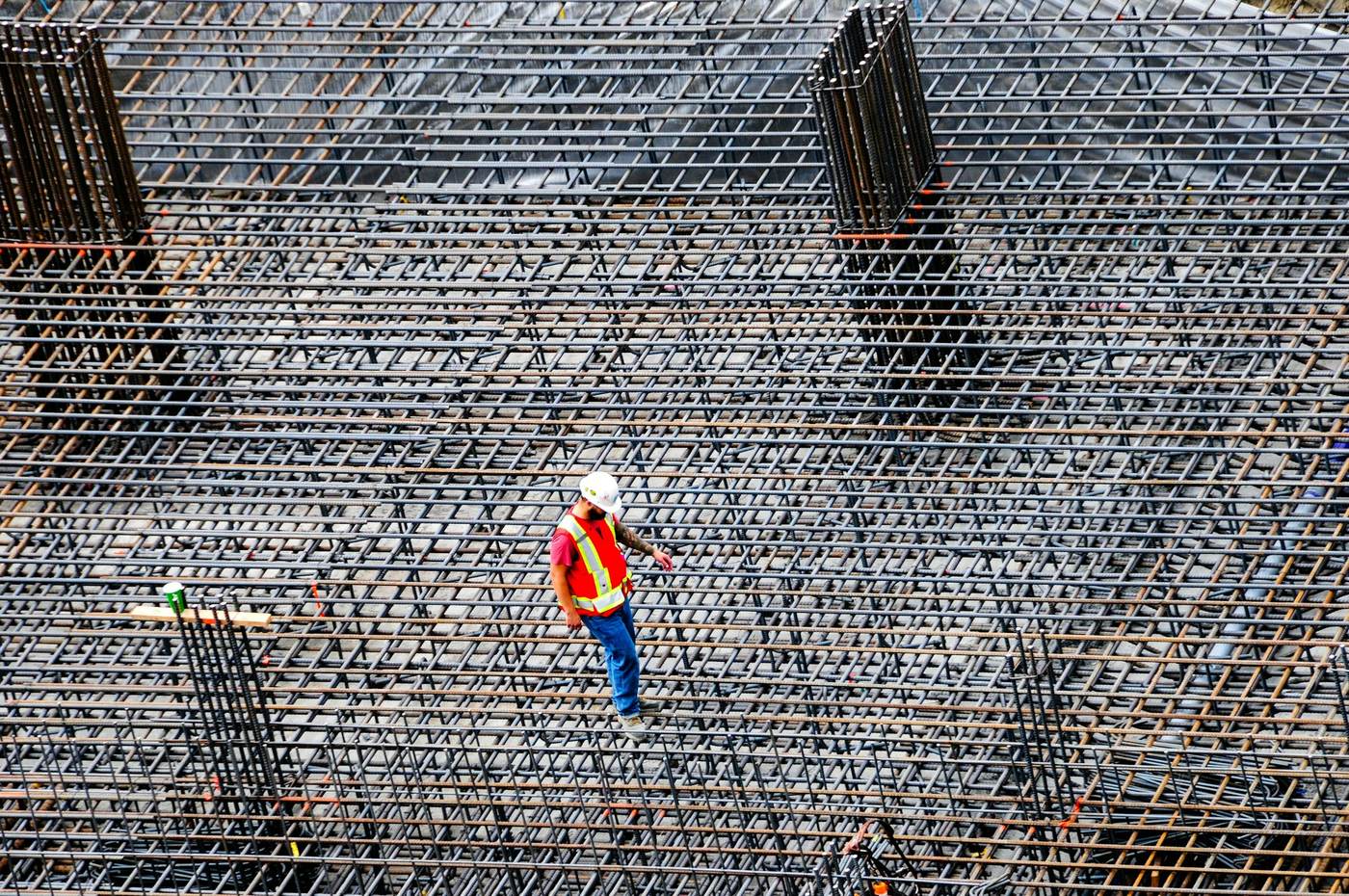
Large commercial foundation excavation with rebar placed for a structural concrete pour

Onyx Concrete Ltd, Kelowna BC

Built to hold water.

Cast-in-place concrete for water reservoirs, treatment plants and commercial builds. Formed, placed and finished for general contractors, municipalities and owners.

Onyx Concrete builds the structures nobody sees once they're backfilled and everybody depends on. Reservoirs, process tanks and the foundations, walls and slabs around them, poured to the drawings and tested before they're buried.

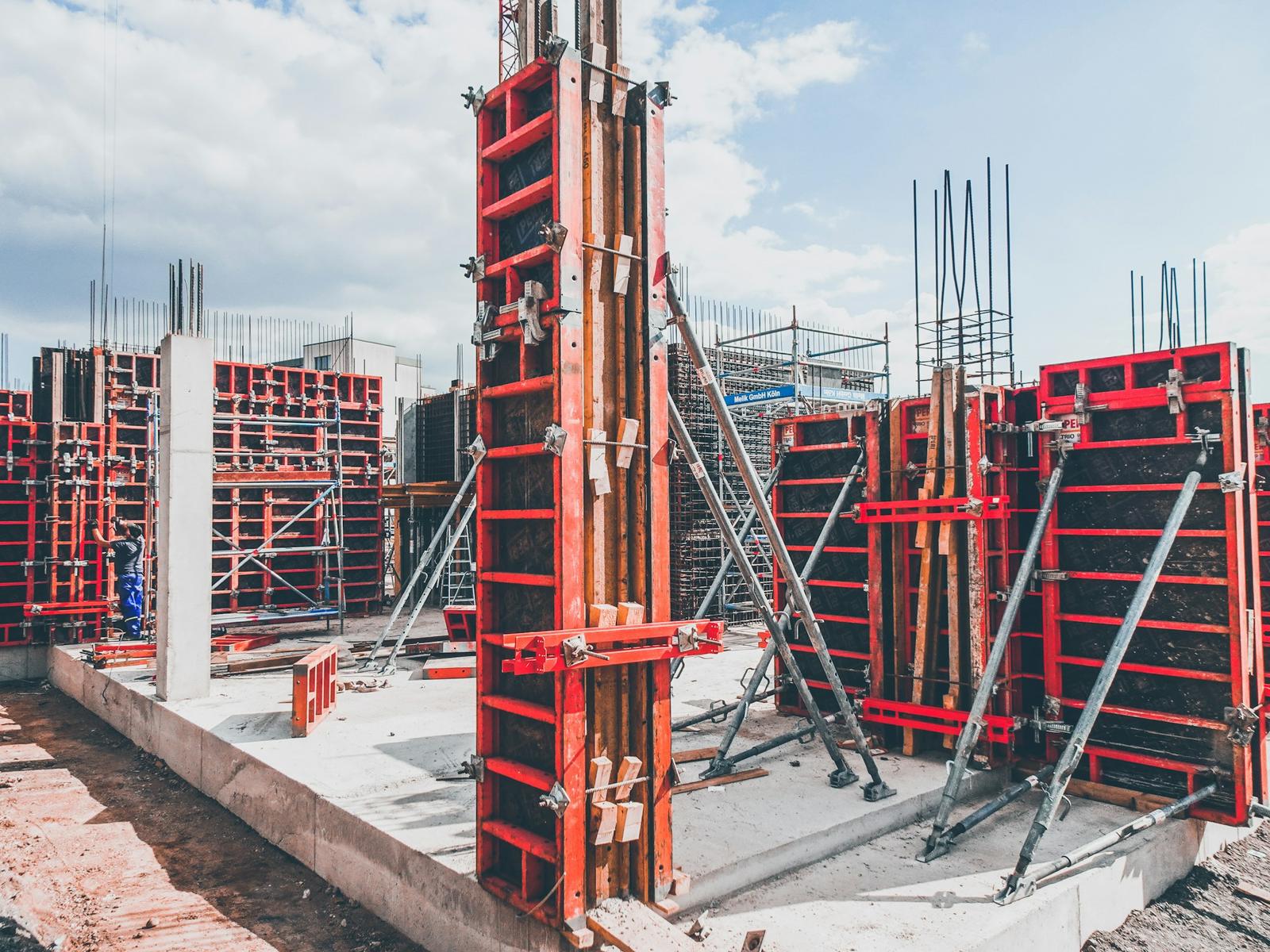
Steel wall forms set up for a cast-in-place concrete wall pour

Work we take on

Rebar mat tied for a large concrete base slab

Concrete water reservoirs

Cast-in-place reservoirs, partially buried or at grade. Base slabs, walls poured in lifts, columns and roof slabs, with waterstop at every construction joint and the structure ready for its leak test.

Base slabs, walls in lifts, roof slabs, waterstop, leak test prep
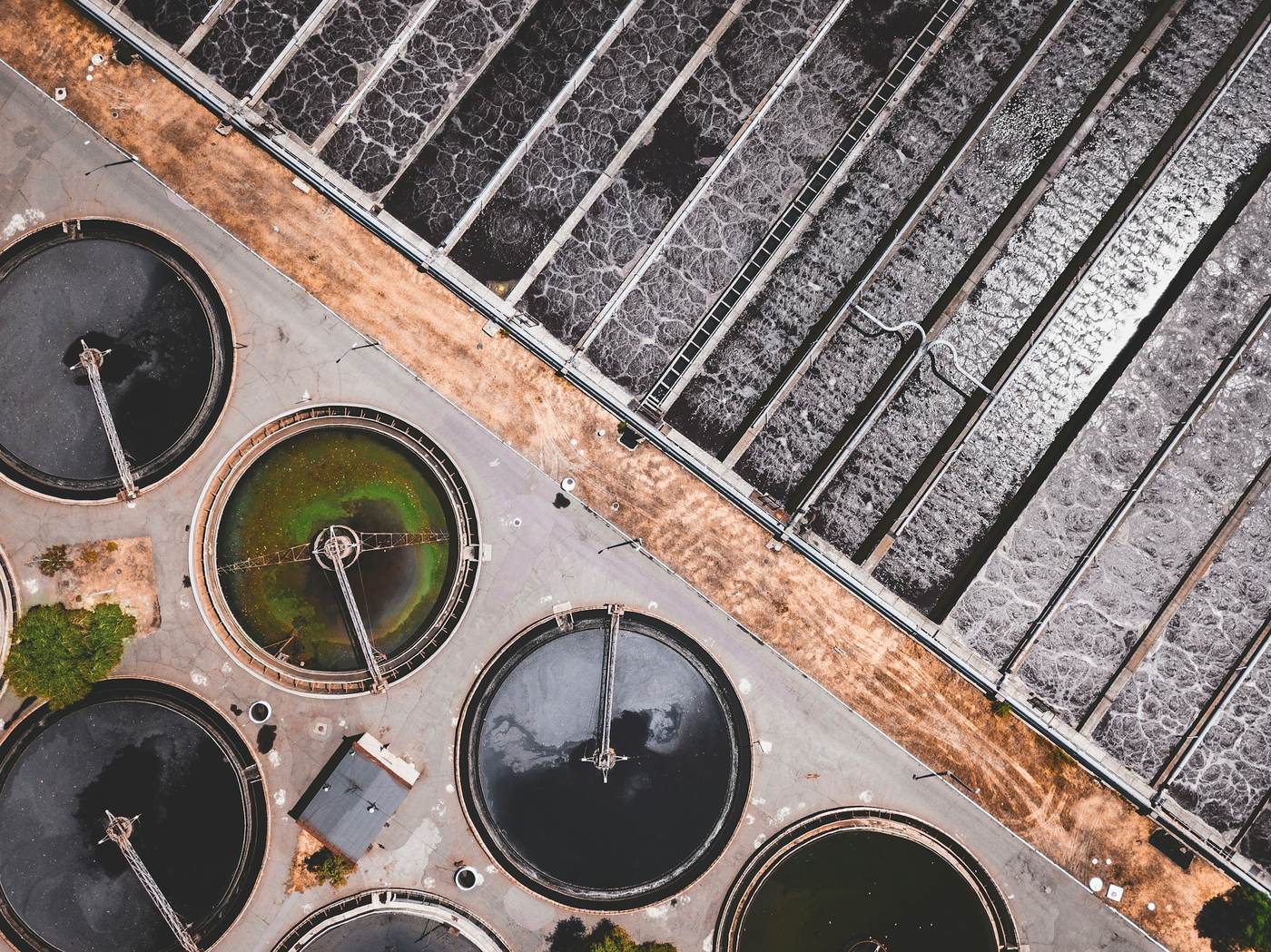
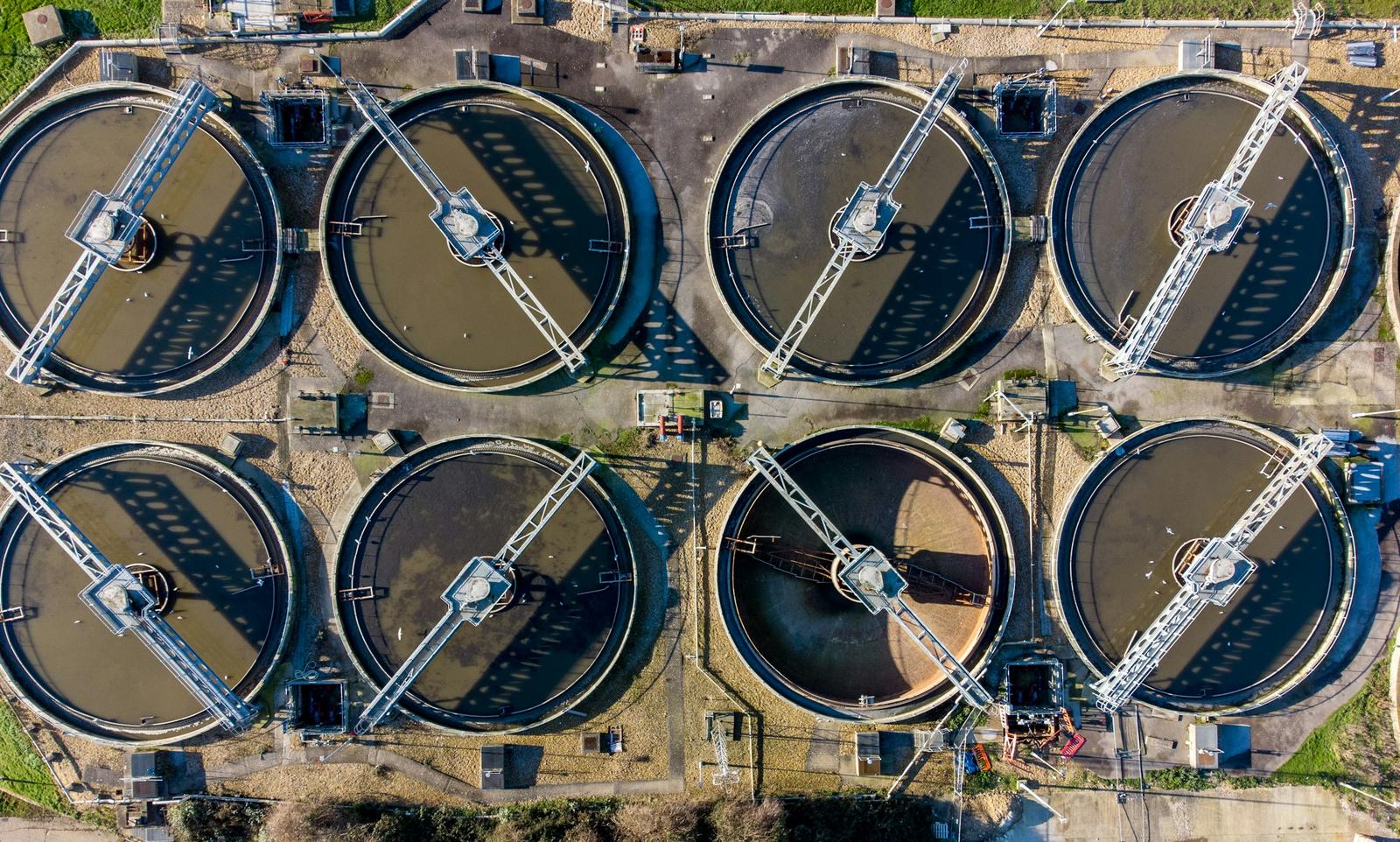
Aerial view of circular clarifier tanks at a water treatment plant

Water treatment plant structures

Tanks, channels, wet wells and the walls and slabs process equipment sits in. Embeds, sleeves and penetrations set to the mechanical drawings before concrete covers them.

Process tanks, channels, wet wells, equipment pads

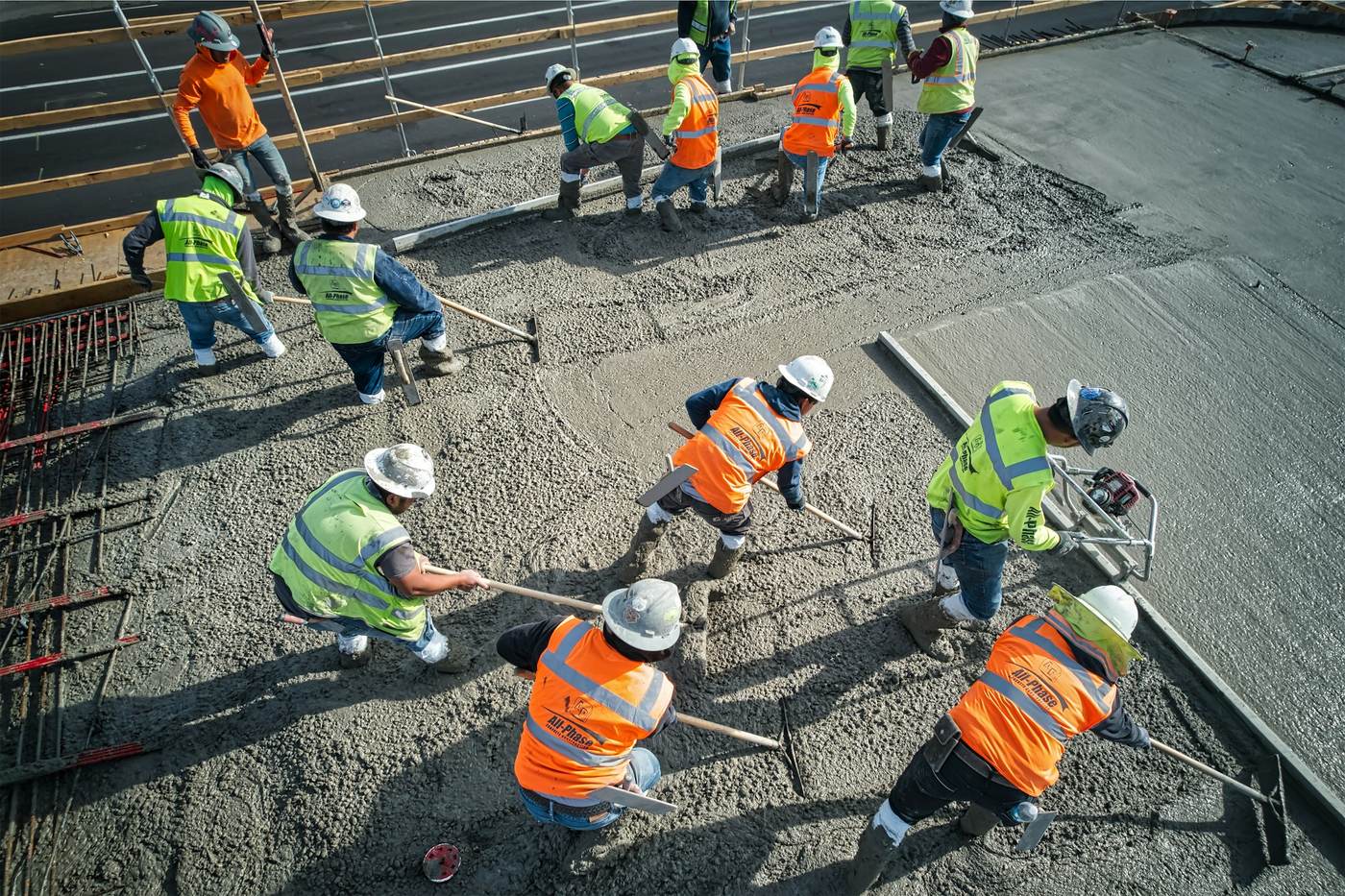
Concrete crew placing and finishing a large commercial slab

Commercial foundations and slabs

Footings, grade beams, foundation walls and slabs on grade for commercial and industrial buildings.

Footings, grade beams, foundation walls, slabs on grade

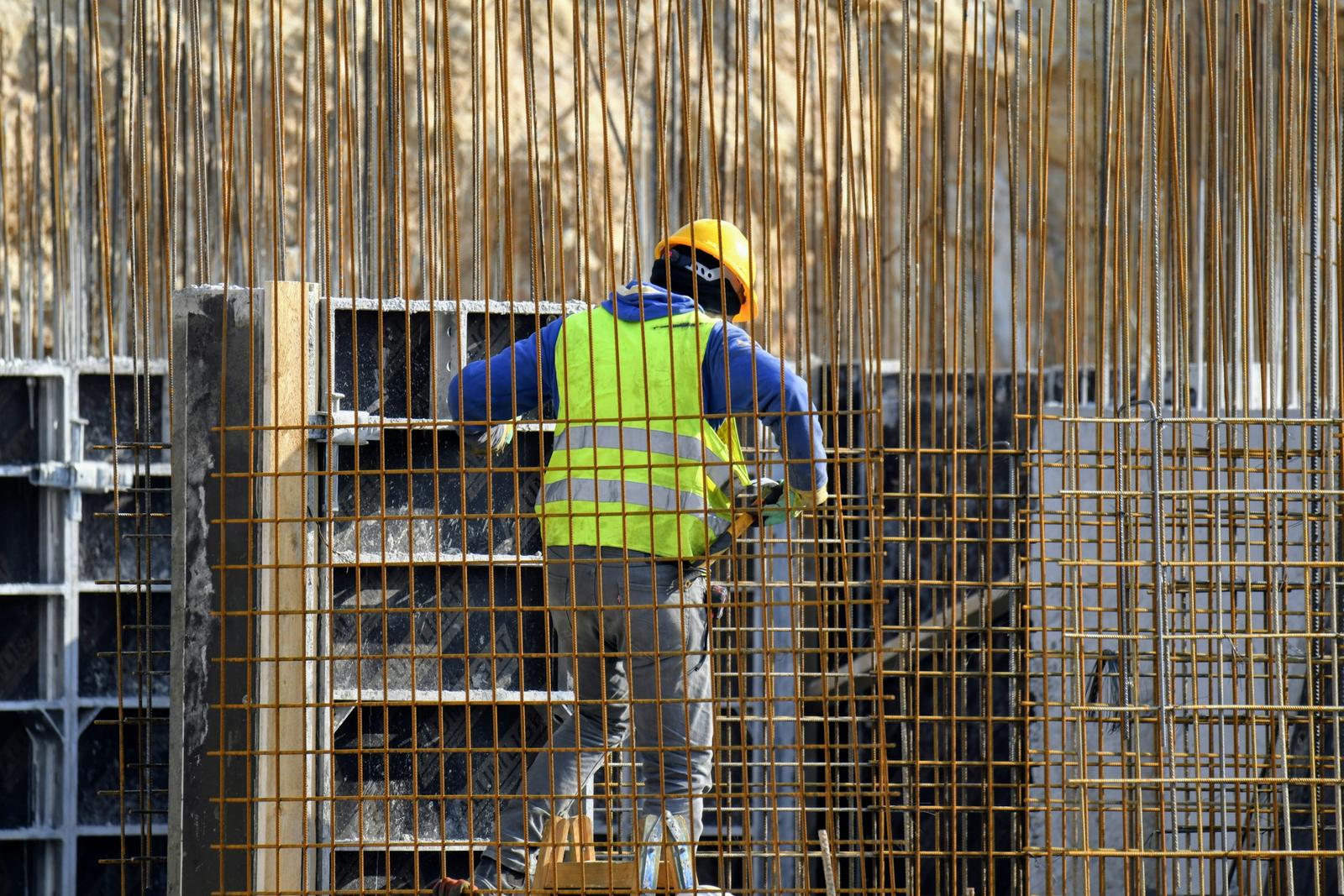
Worker tying wall rebar between concrete forms

Retaining walls and site concrete

Poured retaining walls, stairs and site concrete, formed to the grade that's actually there. Plus saw cutting for control joints, openings, trenches and removals.

Retaining walls, stairs, site concrete, saw cutting

Watertight is the spec.

Priced from the drawings

Send the tender package and the price covers what's actually drawn and specified. Questions get raised before bid close, not after award.

Joints planned first

Most leaks start at a construction joint. Pour breaks, waterstop layout and joint prep get worked out before the first form goes up.

Checked before it's covered

Embeds, sleeves and penetrations are checked against the mechanical and electrical drawings so nothing gets cored out later.

Pours booked around testing

Pours are scheduled with the testing agency and inspector, so slump, air and cylinders happen when the spec says they should.

On site

Forming, steel and pours on commercial and municipal work.

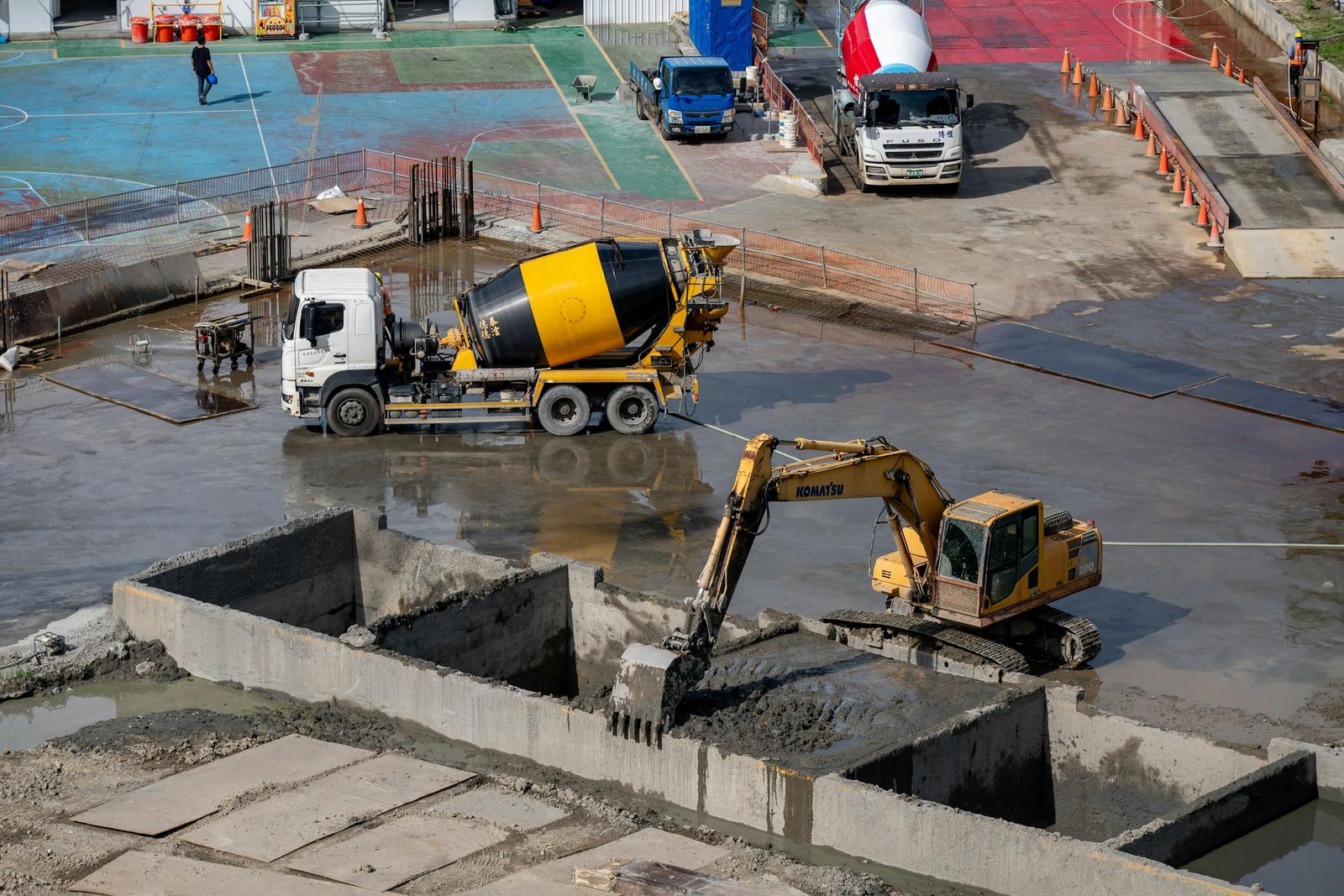
Concrete mixer and excavator at a commercial foundation pour
Foundation pour
Aerial view of four circular concrete clarifier tanks
Clarifier tanks
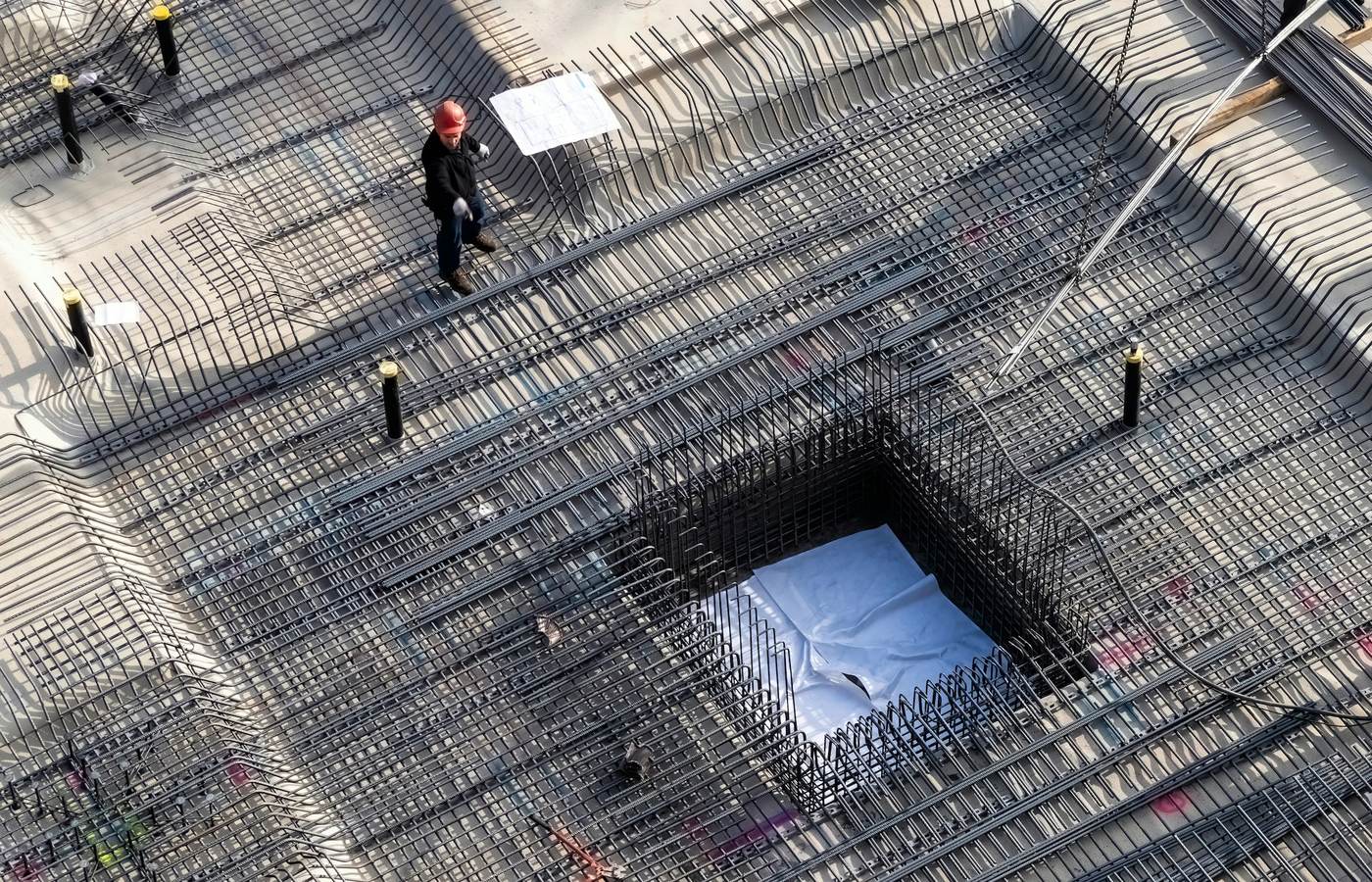
Aerial view of a rebar mat with a block-out for an opening
Rebar mat and block-out

Questions owners and GCs ask

What makes a concrete reservoir watertight?

A dense, low permeability mix, steel placed with the right cover, and careful work at every joint. Construction joints get waterstop and proper prep before the next pour, and the concrete is cured properly so it doesn't crack early. The leak test before backfill proves it.

How is a reservoir leak tested?

The structure is filled to its top water level, left to stabilize, then the level is measured over a set period with evaporation accounted for. The allowable drop and the procedure come from the project spec, often based on ACI 350.1. Testing before backfill means any weeping shows while the walls are still exposed.

Why are reservoir walls poured in lifts?

Tall walls put a lot of pressure on formwork, and lifts keep each pour to a size the forms, pump and crew can handle well. Each lift leaves a construction joint, so the joint is cleaned, roughened where specified and fitted with waterstop before the next lift goes on.

What is saw cutting used for on commercial jobs?

Control joints in new slabs, so cracking happens along a straight line instead of wherever it wants. Saw cutting is also how openings, trenches and sections for removal get cut cleanly in existing slabs and walls during renovations and tie-ins.

This is a draft for Onyx Concrete. Want it live?

Get in touch